Occlupanids are known for their morphological plasticity, but the subspecies that make up the of the Eutreptosoma species complex are especially mutable. Currently divided into two species, and several subspecies, Genus Eutreptosoma shows an almost dizzying range of body shapes beyond that of most orthogonidectids. These forms are heavily localized and therefore uncommonly encountered by the average occlupanologist. The initial holotypes acquired by HORG come from occlupanologist M. Rutledge (FORC) from a corporate facility. Rutledge has since documented examples of each of these subspecies in the wild. Further convoluting this taxonomic knot was the findings of H. Ellinwood et al. at the Granite State Occlupanid Research Collective. A comprehensive paper published by GASTORC demonstrated that there are two main species identifiable by oral groove morphology. Though the breadth of its forms may confound the most dedicated systematist, there are several attributes that connect this genus; First and foremost, they have a large, thick integument that invariably arches dorsally, and rarely lies flat. Secondly, they have colorful markings on both dorsal and ventral sides.
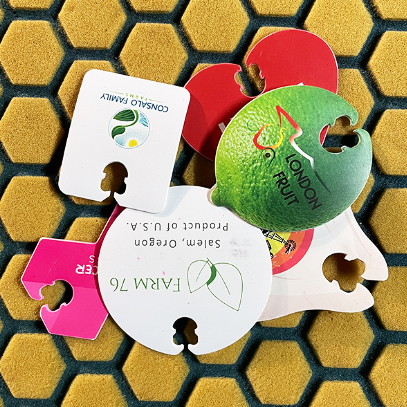
-

- Eutreptosoma arcuaparvoris
-
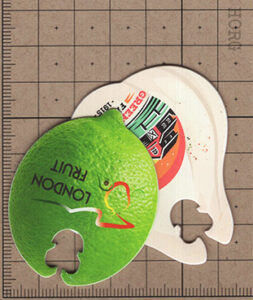
- Eutreptosoma arcuatis